The global ayahuasca space has no central authority, no regulator and no single lineage....we ask what that means for money, power and accountability, and what a healthy version could look like.
Holaaaaa!
A few days ago I had a realisation (Carla speaking): the Ayahuasca space is an anarchy. And I mean anarchy literally.
The global ayahuasca space operates as a decentralized ecosystem, with no central governing authority, no regulatory body, and no singular lineage that dictates the rules.
There are different traditions, lineages, practitioners and organisations coexisting without one institution controlling the whole space.
This makes ayahuasca a living example of a functional, transnational anarchy, which to me, as a lawyer, is so fascinating (!)
NB: Anarchy does not mean that there aren’t any laws, and that chaos prevails, as we are often sold.
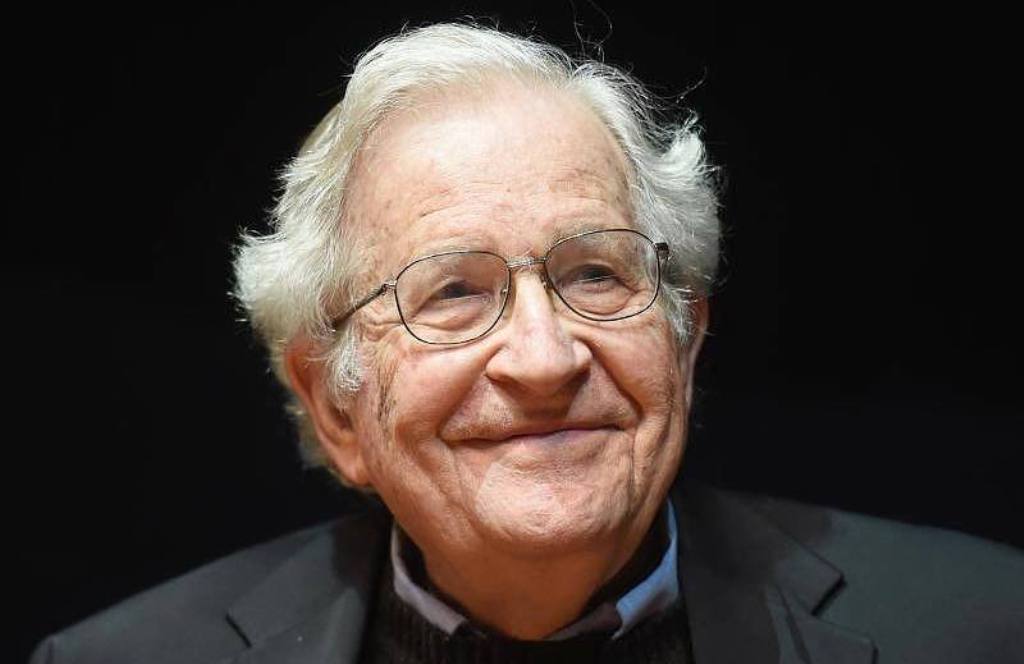
I’m a fan of this wise and very old man (getting to almost 100 years old soon!) and I love his take on anarchism as a political philosophy.
Chomsky describes anarchism as a tendency to question authority, domination, and hierarchy, demanding that structures of power justify their legitimacy. Sounds like common sense to me.
So anarchism looks at all structures of power and hierarchy, and demands that such power structures justify themselves. If those in power cannot justify their role for the common good, then the structure in question shall be dismantled and rebuilt from below.
Look at this beautiful man and brilliant mind!
Now, here’s where things get interesting: the fact that the ayahuasca ecosystem is anarchic in its structure doesn’t necessarily mean that it operates according to anarchist principles. The absence of a central governing authority doesn’t automatically mean the absence of domination, exploitation or unjustified hierarchies.
It’s interesting because this anarchic ayahuasca ecosystem is operating inside global capitalism. And capitalism has a way of turning everything into a market — even spirituality.
Ayahuasca retreats are businesses. Shamans become brands. Ancestral knowledge becomes a selling point. And the medicine itself becomes a commodity.
But does making money from sacred work automatically mean you’re exploiting it?
I don’t think so.
We all need to make a living because, whether we like it or not, we all live within this larger, global, capitalistic system.
But there’s a difference between making a sustainable living from your work and extracting disproportionate economic value from traditions, communities and knowledge systems that aren’t yours to commercialise unilaterally!!
Romanticising the broke spiritual healer that should serve for free or for peanuts ignores this reality that people need financial resources to dedicate their lives to this work.
When we bring money, tourism and international exposure into Indigenous communities, we can create opportunities. We can support cultural preservation, education, infrastructure, economic independence, and the continuation of ancestral practices.
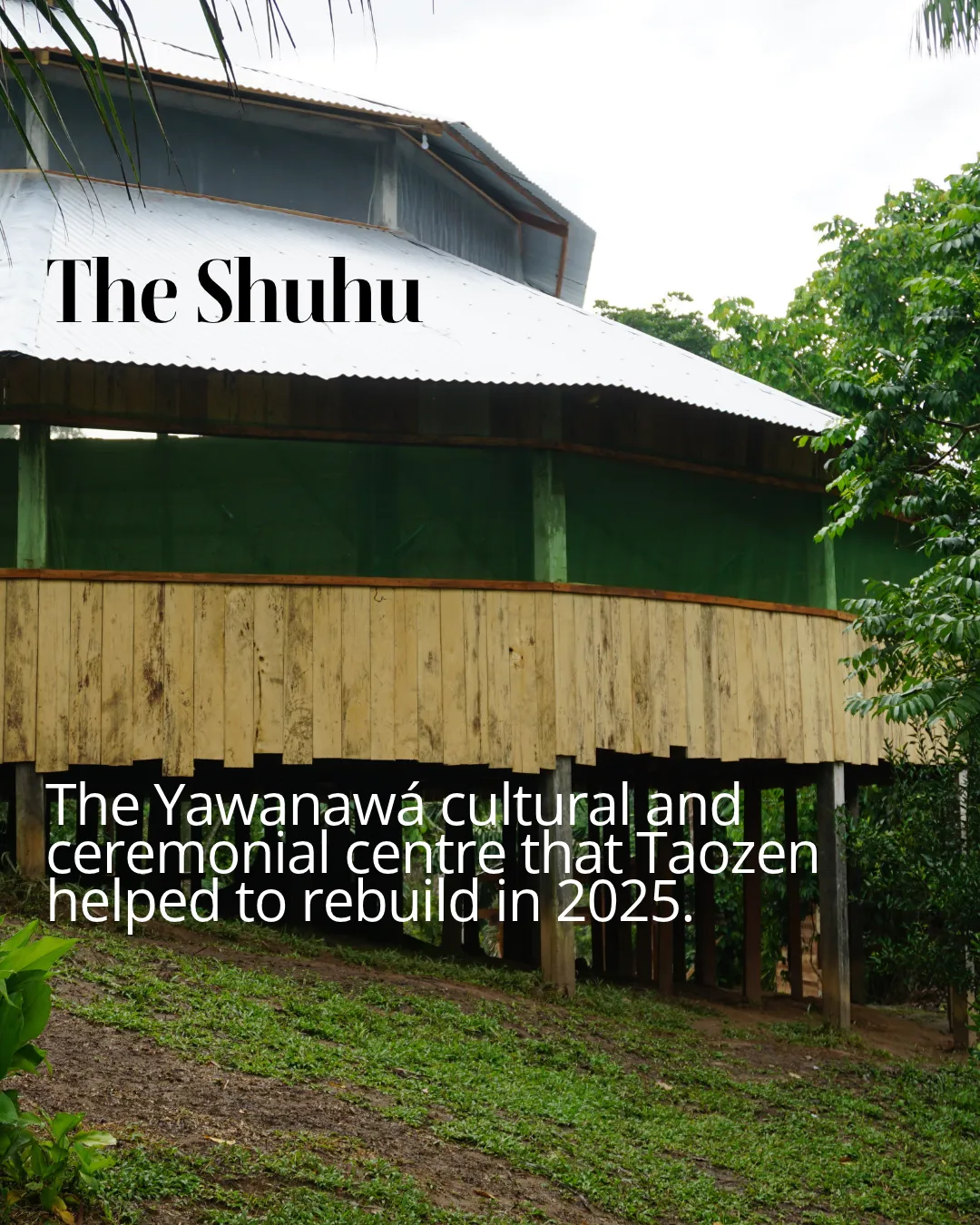
However, as we’re seeing, these same opportunities can also create dependency, inequality and cultural commodification.
Sometimes the resources we bring in to help preserve a culture can end up changing the very structures that sustain it.
At the same time, we shouldn’t romanticise poverty or assume Indigenous communities should remain isolated from the modern world. They have every right to engage with the global economy, access resources, build businesses, and decide what development looks like for their own communities. The important thing is that these decisions remain theirs.
If you are someone who questions whether these Amazonian communities should be profiting from their culture because of the risks of corruption, I respectfully ask: who are you to choose what’s best for them?
I find the saviour syndrome, especially coming from Western people, very condescending.
Of course, this also raises questions about representation, collective consent, and whose voices are being heard within these Amazonian communities. Who gets to represent these communities?
Patriarchy is everywhere.
Indigenous sovereignty cannot simply be reduced to the commercial freedom of certain individual representatives within such communities.
I’m not defending capitalism as an ideal economic system. I’m only recognising the conditions in which we operate and I’m questioning how economic relationships can be made more equitable within those conditions.
So to me, the real question is not whether money should be involved. That’s out of the question, money is always involved nowadays.
And there’s also a certain privilege in being able to offer spiritual work for free or very little money. Perhaps you have inherited wealth, perhaps you have another source of income or someone financially supporting you.
But what about the person or the family who genuinely dedicates their life to this work and needs to make a living from it? If a healer has to spend most of their time working in an office just to pay their bills, when do they have the time to deepen their knowledge, practise, serve their community and develop their expertise?
We shouldn’t create an economic model in which only wealthy people can afford to become full-time healers.
So making money and a decent living from spiritual work doesn’t automatically mean you’re exploiting it or corrupting it.
Equally, calling something sacred doesn’t make it immune to commercial exploitation.
So to me, the real question is how money, power and responsibility are distributed.
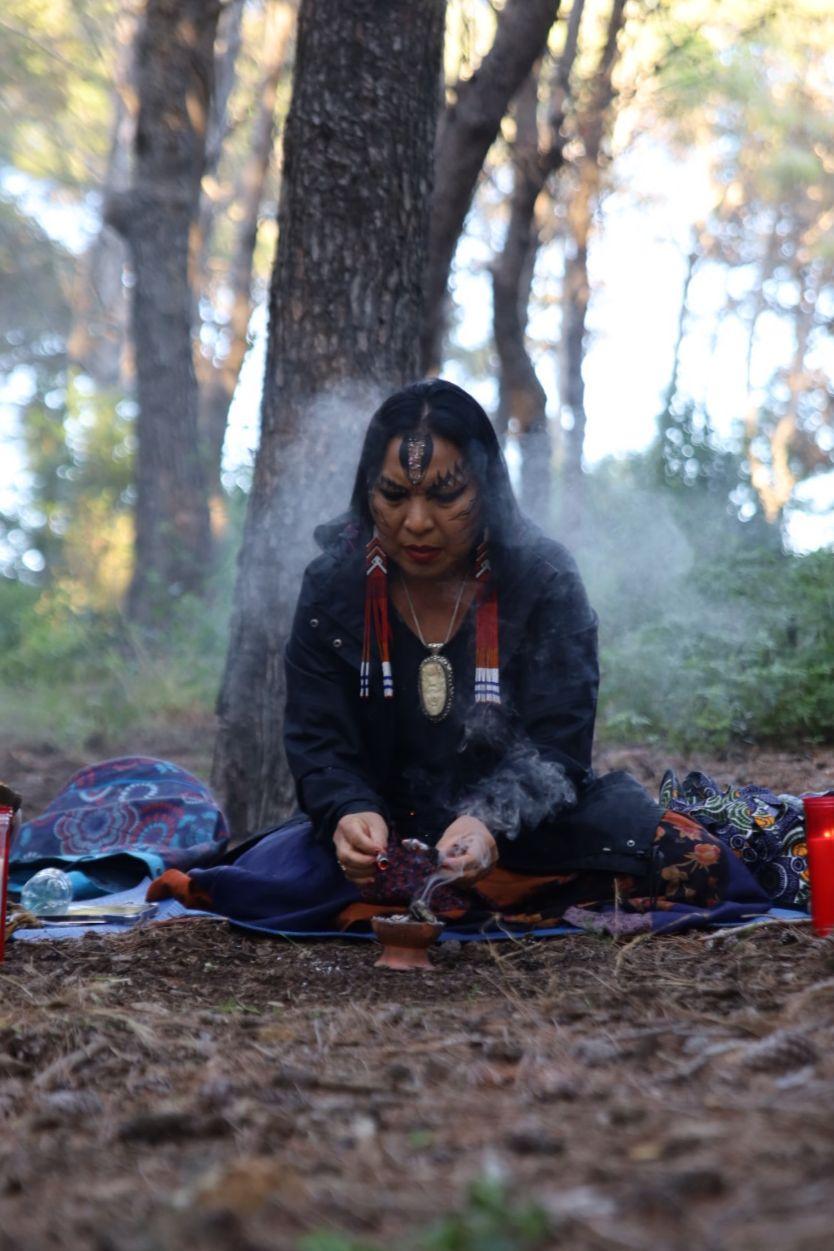
This is where I find Noam Chomsky’s philosophy on anarchism so interesting because it demands that you question authority, and challenge unjustified hierarchies. It demands that you don’t blindly accept someone’s power just because they claim spiritual legitimacy.
In the ayahuasca world that translates as questioning who gets to speak for a tradition, who profits from ancestral knowledge, and who is actually accountable when things go wrong.
I don’t think we need an Ayahuasca Pope or a centralised regulatory body stating who can serve and who cannot.
I strongly believe that what we need is autonomy, collaboration, transparency and responsibility — while respecting Indigenous sovereignty.
We’re living through an extraordinary moment!!!!!
Ayahuasca is encountering the wider world on an unprecedented scale, and we’re not just witnessing its evolution. We’re shaping it.
And it’s complex, confusing, and messy…But I’m here for it.
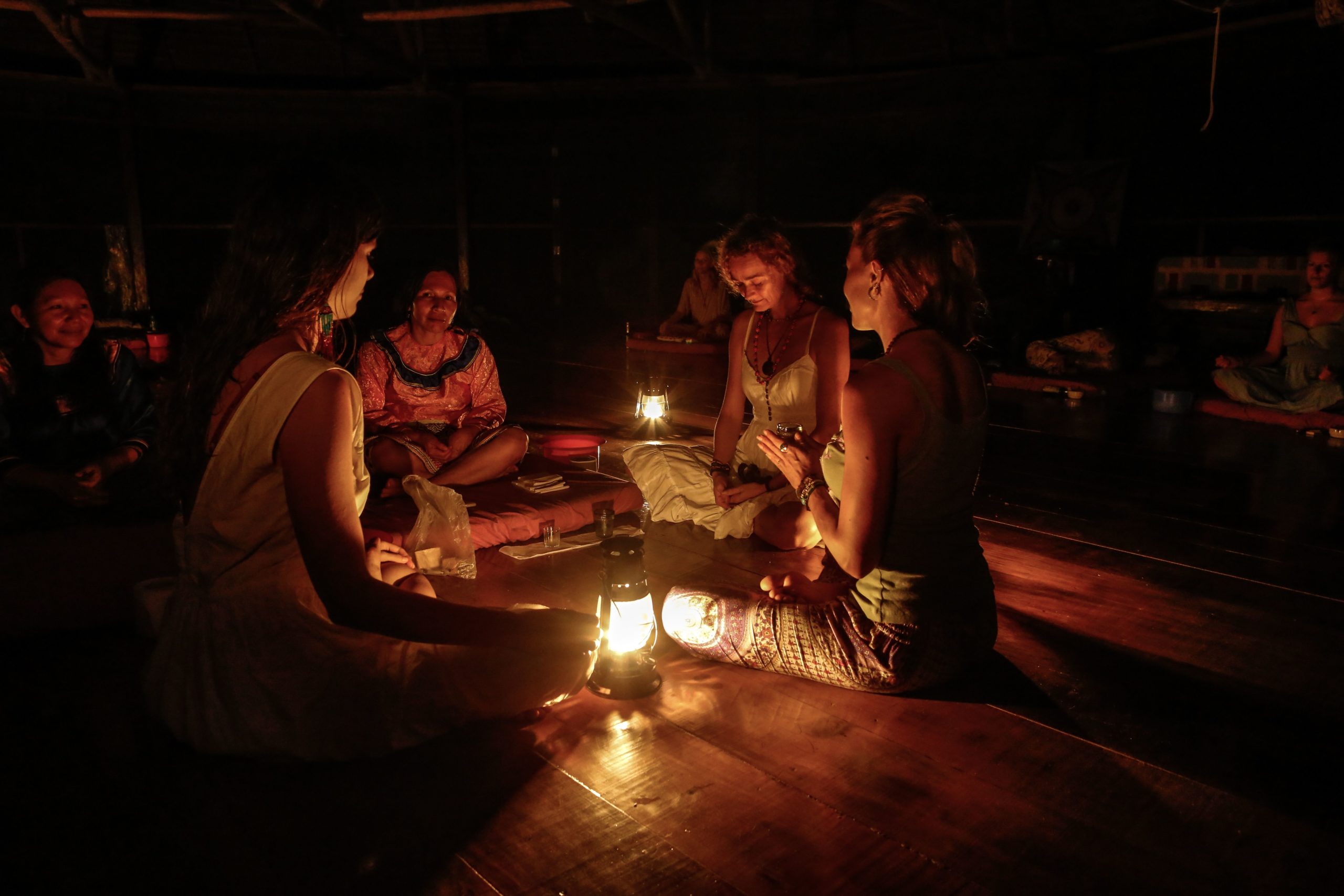
I’m not speaking about this ecosystem from the outside. I’m a retreat organiser. I collaborate with Amazonian elders. I operate within this commercial environment, I benefit from it, and I’m part of the very structures I’m questioning. So these aren’t just philosophical questions for me. They’re questions I have to ask myself about my own work.
So in my personal quest on how to best operate in this anarchic system, I have to constantly ask myself, in all my decision-making:
The intrinsic decentralisation of the anarchic ayahuasca ecosystem creates freedom, diversity and autonomy. But it also means there’s no universal system of accountability.
This creates opportunities for exploitation and abuse.
In the context of ayahuasca tourism, anyone can claim spiritual authority, establish a retreat centre and commercialise the experience. Because there are no universally recognised standards, no central body to turn to, and often very limited mechanisms for accountability.
At the same time, we need to be careful about the solutions that we propose.
Because the answer cannot simply be to establish one central authority that decides who is legitimate, which traditions are valid, or how the medicine should be practised.
That would risk creating precisely the kind of concentration of power that anarchist philosophy questions in the first place.
It could also undermine the autonomy of Indigenous peoples and traditions that have their own systems of knowledge, authority and governance.
So, what does a healthy anarchic ayahuasca ecosystem actually look like?
I think it requires responsibility from everyone involved.
As participants, we need to exercise discernment.
As organisers and practitioners, we need to think about the relationships we’re creating.
Decentralisation without accountability can become exploitation. Accountability without autonomy can become domination. The challenge is finding a way to hold both.
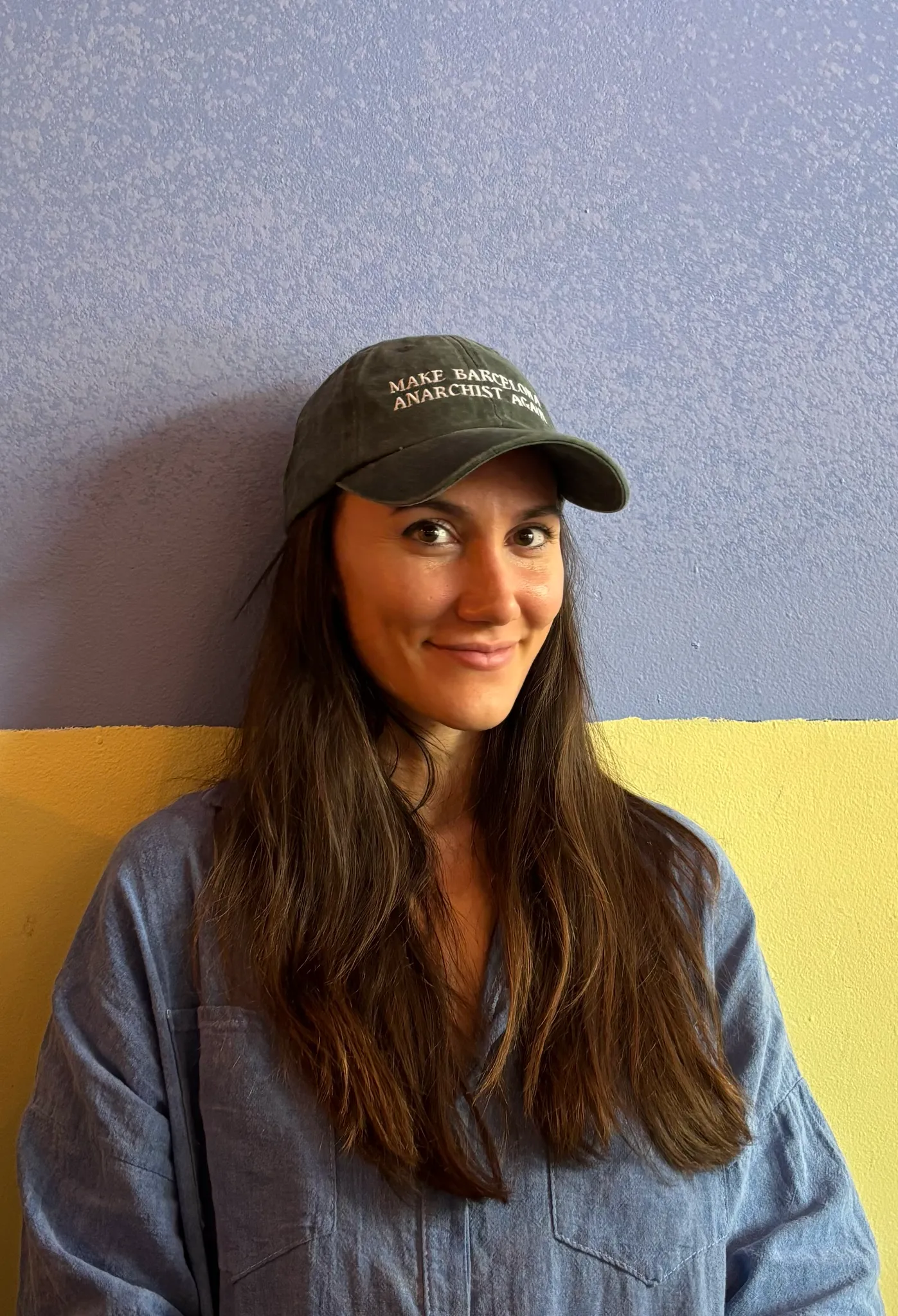
I’ve always been interested in anarchism.
Barcelona, where I was born, is one of the few places in the world that has experienced a period of anarchism, albeit a short one, before Franco and his dictatorship took over.
I highly recommend reading George Orwell’s Homage to Catalonia to learn more about this fascinating period of history.
Above, you can see me rocking one of my favourite caps: “Make Barcelona Anarchist Again.”
So you can imagine how cool it is to suddenly realise that I’m operating within an anarchic system in which I’m not merely a witness, but an active shaper.
Power to the people! Stick it to the man.
With love,
Carla from the Taozen Family